
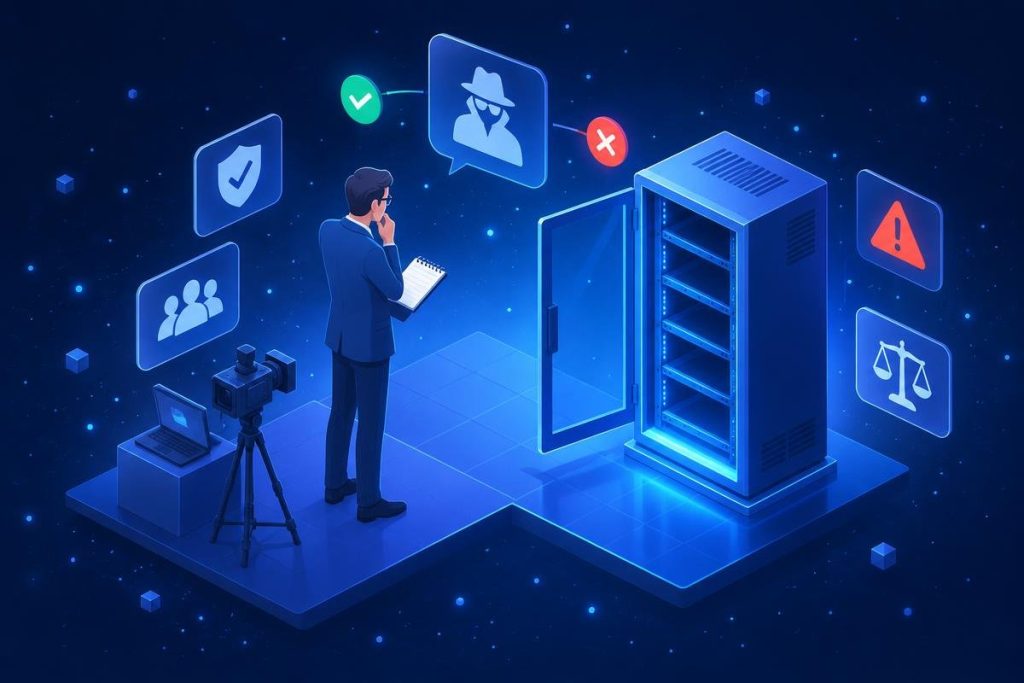
Manufacturing and R&D stories often begin with a quiet tip: a safety concern, a disputed test result, or a product decision that never reached the public. For journalists, anonymous messaging can make it easier for employees, contractors, and researchers to start a sensitive conversation. But anonymity is not a substitute for verification. Here is a practical way to assess when—and how—to use it.
1. Define the purpose before opening the channel
Start by asking what the channel is for. Is it intended for confidential tips, follow-up questions, or ongoing communication with a source? A narrowly defined purpose helps you set expectations. Tell potential sources what you can protect, what you cannot guarantee, and how you will verify claims.
2. Consider the advantages
Lower risk for sources: Workers may be more willing to report unsafe conditions, quality failures, or questionable research practices when they are not immediately identifiable.
More candid conversations: An anonymous channel can reduce the pressure to defend an employer, project, or professional reputation.
Broader access: Journalists may hear from people who would otherwise never contact a newsroom, particularly in highly specialized industries.
3. Examine the limitations
Verification is harder: Without a name or employment record, it can be difficult to assess a source’s expertise, access, or motives. Request documents, timelines, and details that can be independently checked.
Context may be incomplete: Anonymous sources can misunderstand technical processes or share information selectively. Seek corroboration from additional sources, public filings, technical experts, or site observations.
Security is not absolute: No tool can eliminate every digital or operational risk. Avoid asking sources to share unnecessary personal details, and do not promise perfect anonymity.
4. Build a verification checklist
Before publishing, confirm the source’s claims through at least one independent route. Separate firsthand knowledge from rumor, preserve relevant records securely, and document why anonymity was granted. If a source’s identity is essential to credibility, explain to readers why it cannot be disclosed.
Anonymous messaging is best treated as an entry point—not the finish line. Used carefully, it can help journalists uncover important manufacturing and R&D stories while maintaining a disciplined verification process. Learn more: https://thinkpigeon.com or Activate your new ID.